
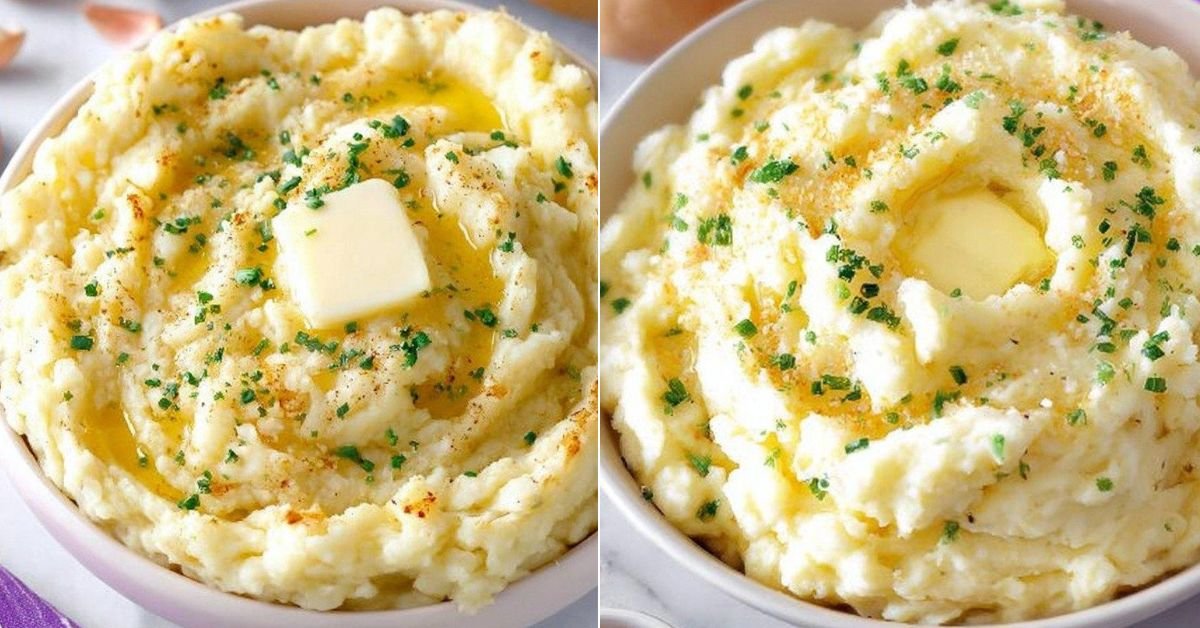
1) The Texture Trick Behind Garlic Parmesan Mashed Potatoes Recipe
Gluey mashed potatoes can ruin a good dinner fast. I’m Angela, and I learned that the problem was not a lack of butter; it was too much mashing, poorly drained potatoes, and cold dairy hitting hot starch. After testing this garlic parmesan mashed potatoes method with different mashing times and dairy temperatures, I discovered that warm garlic cream and gentle folding make the biggest difference. This garlic parmesan mashed potatoes recipe gives me that calm holiday-table feeling: creamy garlic mashed potatoes with real potato body, savory parmesan, and no stretchy texture.
Table of Contents
- 1) The Texture Trick Behind Garlic Parmesan Mashed Potatoes Recipe
- 2) Key Takeaways
- 3) Easy Garlic Parmesan Mashed Potatoes Recipe
- 4) Why Most Garlic Parmesan Mashed Potatoes Recipes Fail
- 5) Ingredients for Garlic Parmesan Mashed Potatoes Recipe
- 6) How to Make Garlic Parmesan Mashed Potatoes Recipe
- 7) Recipe Card: Garlic Parmesan Mashed Potatoes Recipe
- 8) Tips for Making Garlic Parmesan Mashed Potatoes Recipe
- 9) Common Mistakes & Fixes
- 10) How to Tell Garlic Parmesan Mashed Potatoes Have the Right Texture
- 11) Professional Secrets Behind Better Garlic Parmesan Mashed Potatoes Recipe
- 12) Best Dishes or Pairings to Serve With Garlic Parmesan Mashed Potatoes Recipe
- 13) Making Garlic Parmesan Mashed Potatoes Recipe Ahead of Time
- 14) Storing Leftover Garlic Parmesan Mashed Potatoes Recipe
- 15) FAQ (Real Cooking Questions)
- 16) Save This Garlic Parmesan Mashed Potatoes Recipe
- 17) Conclusion
- 18) Nutrition
2) Key Takeaways
- Warm dairy protects the texture: Heating the milk and cream before adding them helps the potatoes absorb liquid smoothly instead of tightening into a stiff mash.
- Gentle mashing matters: Potatoes release starch when overworked, so a hand masher gives better control than aggressive mixing.
- Garlic needs heat control: Cooking minced garlic in butter for just 1–2 minutes gives a mellow aroma without bitterness.
- Parmesan goes in last: Folding the cheese into hot potatoes at the end keeps the flavor savory and helps prevent clumping.
3) Easy Garlic Parmesan Mashed Potatoes Recipe
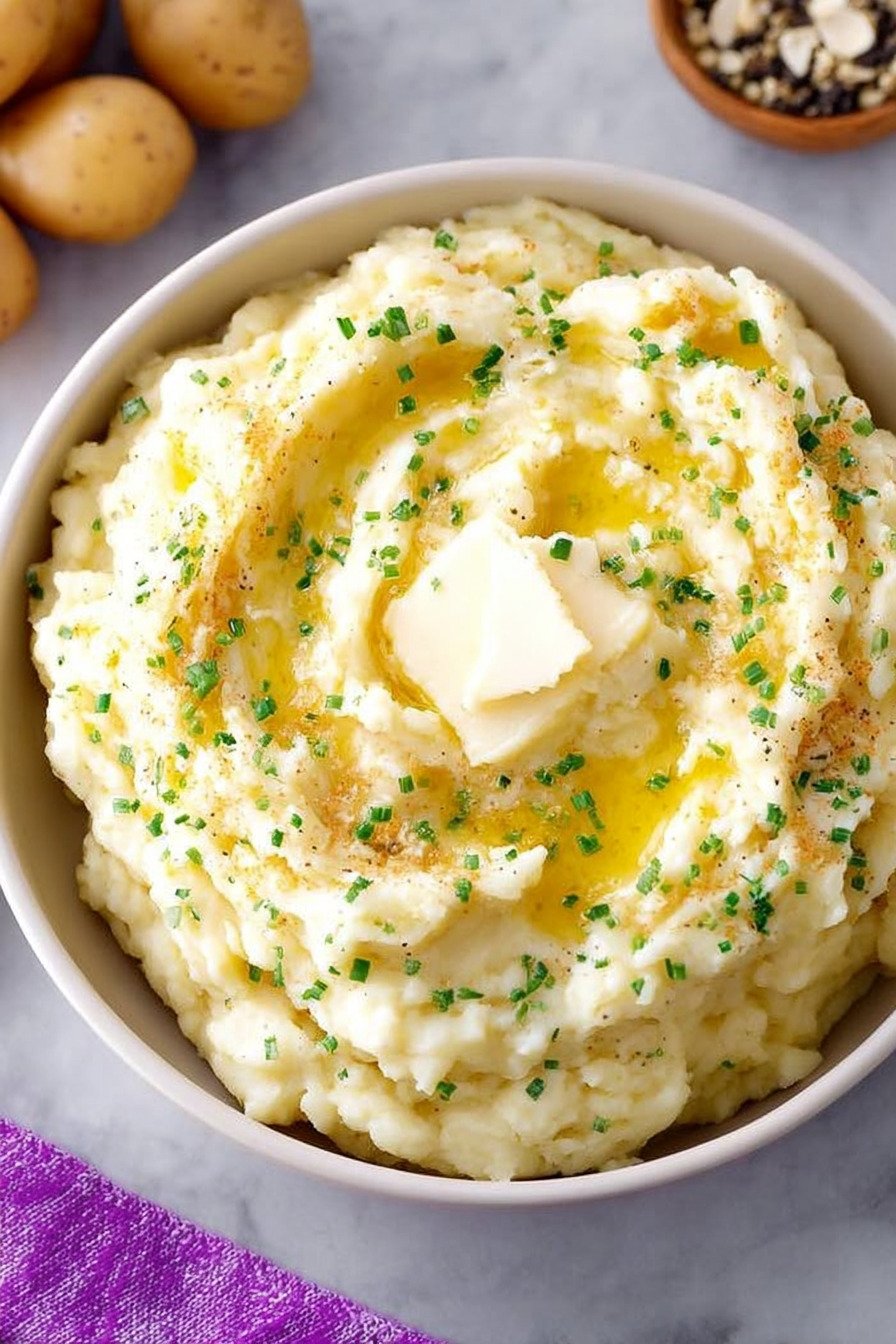
This easy mashed potatoes recipe works because it respects what potatoes do when they are hot, wet, and full of starch. Yukon Gold potatoes already have a naturally buttery texture, so they do not need harsh mixing to become creamy. The trick is to cook them until fork-tender, drain them thoroughly, let excess steam escape, and then mash just until they reach the texture you want.
The flavor comes from building layers rather than dumping everything in at once. Salt in the cooking water seasons the potatoes from the inside. Butter softens the garlic’s sharp edge. Warm milk and cream loosen the mash without cooling it down. Garlic powder gives steady background flavor, while parmesan adds a salty, nutty finish. That balance is what makes these parmesan mashed potatoes taste rich without feeling heavy.
4) Why Most Garlic Parmesan Mashed Potatoes Recipes Fail
Most garlic parmesan mashed potatoes fail for a few predictable reasons. The first is overworking the potatoes. Once potatoes are cooked, their starch granules are swollen and fragile. If you beat them too hard or stir too long, they can turn stretchy, shiny, and gluey instead of soft and fluffy.
The second problem is water. Potatoes that are not drained well carry extra moisture into the pot, which dilutes the butter, milk, cream, and parmesan. A watery mash often tastes flat even when the ingredient list looks rich. Returning drained potatoes to the warm pot for a short steam-dry moment helps remove surface moisture before mashing.
The third issue is garlic control. Minced garlic cooks quickly in butter. If it stays pale and raw, it can taste sharp. If it browns too much, it turns bitter. The sweet spot is aromatic and just starting to turn golden. Cold milk is another common mistake because it cools the potatoes and can make the texture feel tight. Warm dairy keeps everything smooth and cohesive.
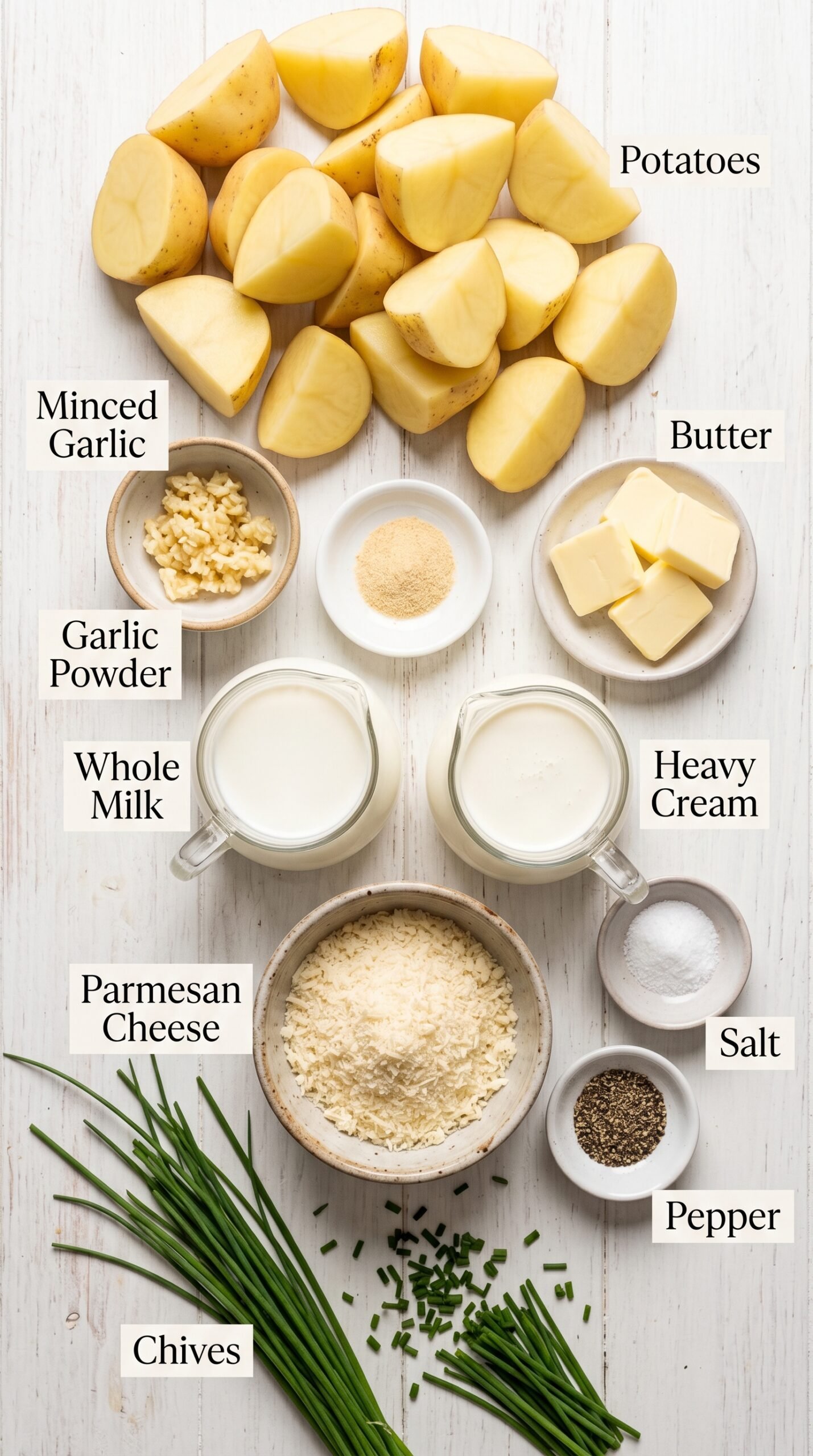
5) Ingredients for Garlic Parmesan Mashed Potatoes Recipe
Yukon Gold potatoes: These potatoes are used because they mash creamy while still keeping enough body to avoid a watery finish. Cut them into even chunks before boiling so they cook at the same pace. If replaced with very waxy potatoes, the mash can taste dense; if replaced with very starchy potatoes, it may need more careful moisture control.
Salt: Salt is divided because some seasons the cooking water and the rest adjusts the finished potatoes. Use it when boiling so the potatoes absorb flavor early. If you skip seasoning the water, the center of the potatoes can taste bland even after butter and parmesan are added.
Unsalted butter: Butter carries the garlic flavor and gives the potatoes a round, rich finish. Using unsalted butter lets you control the final seasoning because parmesan also adds salt. If salted butter is used, taste before adding the final salt.
Minced garlic: Garlic is cooked briefly in butter when the potatoes are nearly done. This softens the raw bite and gives the mash a savory aroma. If garlic is added raw, the flavor can feel harsh; if it is over-browned, the whole pot can taste bitter.
Whole milk: Whole milk loosens the potatoes while keeping them creamy. Warm it with the cream before adding it to the mash. Cold milk can tighten the potatoes and make them harder to fold smoothly.
Heavy cream: Cream adds body and a softer mouthfeel. It is especially useful for holiday mashed potatoes because it helps the texture stay luxurious. Replacing it with more milk makes the potatoes lighter but less rich.
Garlic powder: Garlic powder gives an even background garlic flavor that supports the fresh garlic. Add it with the warm dairy so it disperses through the potatoes. If omitted, the garlic flavor will be more concentrated around the butter-cooked garlic pieces.
Black pepper: Pepper adds gentle warmth and balances the dairy richness. Add it near the end so the aroma stays noticeable. Freshly cracked pepper gives a brighter finish than pre-ground pepper.
Grated parmesan cheese: Parmesan adds salt, savoriness, and a nutty edge. Fold it in after the warm dairy so it melts into the potatoes instead of clumping. Finely grated parmesan blends more smoothly than large shreds.
Fresh chives or scallions: These are used as a final garnish for freshness and color. Add them right before serving. If stirred in too early, their flavor can dull and their texture can soften.
- Yukon Gold potatoes vs waxy potatoes: Yukon Golds mash creamy and smooth, while waxy potatoes can become dense and resistant to fluffing.
- Warm milk vs cold milk: Warm milk blends into hot potatoes easily; cold milk can make the mash feel stiff and uneven.
- Fresh garlic vs garlic powder: Fresh garlic gives aroma and depth, while garlic powder gives steady flavor throughout the potatoes.
- Gentle mashing vs aggressive mixing: Gentle mashing keeps the potatoes fluffy; aggressive mixing releases excess starch and can create a gluey pull.
6) How to Make Garlic Parmesan Mashed Potatoes Recipe
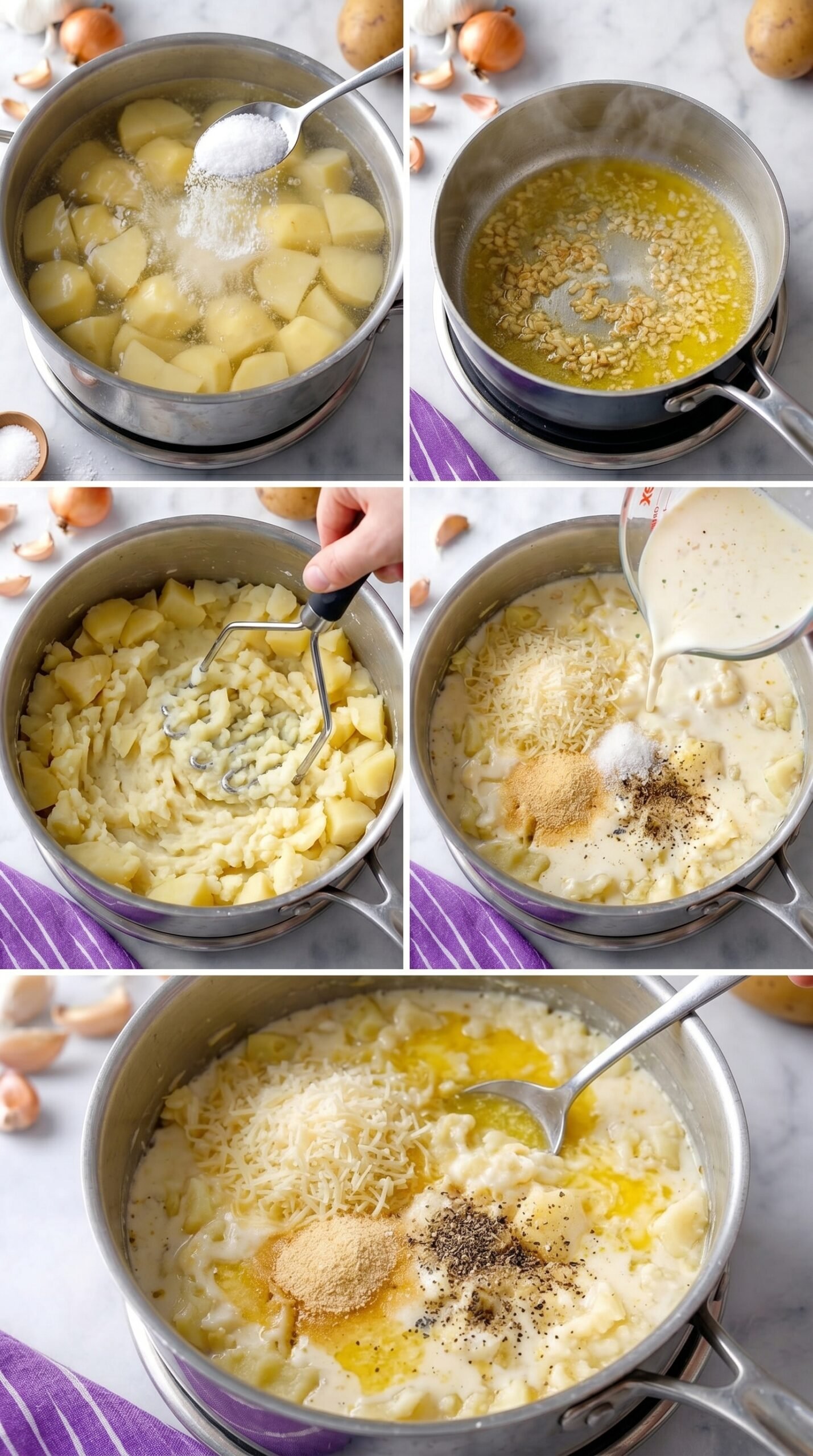
Step 1: Start the potatoes in cold salted water. Cold water helps the potato pieces cook evenly from edge to center, while the salt seasons them before the dairy and cheese are added.
Step 2: Simmer until the potatoes are fork-tender, usually about 15–20 minutes. A fork should slide through without crunching or resistance. Avoid a violent boil because it can break up the edges and make the potatoes absorb extra water.
Step 3: While the potatoes finish cooking, melt the butter and cook the minced garlic for 1–2 minutes. Watch for a fragrant smell and a light golden color. This is the point where garlic tastes mellow, not raw or bitter.
Step 4: Lower the heat and warm the milk and cream with the garlic butter until hot but not boiling. Boiling dairy can change the texture and make the mixture less smooth, so keep it steamy and gentle.
Step 5: Drain the potatoes well, return them to the pot, and mash gently. Add the hot garlic milk mixture, garlic powder, salt, and pepper, then fold in the parmesan. Stop stirring as soon as the potatoes look creamy and hold soft ridges from the spoon.
7) Recipe Card: Garlic Parmesan Mashed Potatoes Recipe
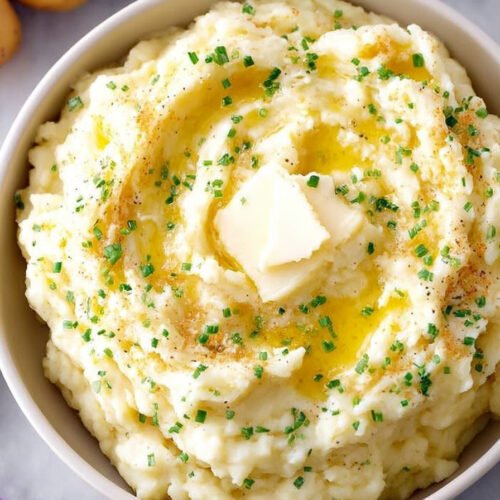
Garlic Parmesan Mashed Potatoes Recipe
Ingredients
- 3 lbs. peeled Yukon Gold potatoes, cut into quarters or evenly sized chunks so they cook at the same pace
- 1 Tbsp + ½ tsp salt, divided, for seasoning the boiling water and finishing the potatoes
- 4 tablespoon unsalted butter, used to bloom the garlic and add richness
- 2 tablespoon minced garlic from 5-6 cloves, cooked just until fragrant for mellow garlic flavor
- ¾ cup whole milk, warmed so the potatoes absorb it smoothly
- ⅓ cup heavy cream, warmed with the milk for a creamier texture
- 1 teaspoon garlic powder, for steady garlic flavor throughout the mash
- ½ teaspoon pepper, preferably freshly cracked for better aroma
- ¾ cup grated parmesan cheese, folded in at the end so it melts without clumping
- Fresh chives or scallions, for garnish and a fresh oniony finish
Instructions
- Place the quartered Yukon Gold potatoes in a large pot and cover them with cold water by about 1 inch. Add 1 tablespoon salt, then bring the water to a boil so the potatoes season from the inside as they cook.
- Lower the heat to a steady simmer and cook the potatoes for 15-20 minutes, or until a fork slides through the center with no resistance. Avoid a hard boil, which can break the potatoes apart and make them absorb extra water.
- When the potatoes are almost tender, melt the unsalted butter in a small saucepan over medium heat. Add the minced garlic and cook for 1-2 minutes, stirring often, until aromatic and just starting to turn lightly golden; do not let it brown deeply or it can taste bitter.
- Turn the heat to low and add the whole milk and heavy cream to the saucepan. Warm the mixture until hot and steamy but not boiling, because warm dairy blends into mashed potatoes more smoothly than cold dairy.
- Drain the potatoes very well in a strainer, then return them to the warm pot for a minute so excess steam can escape. Mash gently with a potato masher until the texture is as chunky or smooth as you like, stopping before the potatoes become stretchy or gluey.
- Add the hot garlic, butter, milk, and cream mixture to the mashed potatoes along with the garlic powder, remaining ½ teaspoon salt, and pepper. Stir just until combined, then fold in the grated parmesan cheese so it melts evenly into the warm potatoes.
- Serve the mashed potatoes warm, topped with chopped chives or scallions and more butter if desired. Taste at the end and adjust salt or pepper carefully, since parmesan adds its own salty, savory finish.
8) Tips for Making Garlic Parmesan Mashed Potatoes Recipe
Cut the potatoes into similar-sized pieces so they finish at the same time. If some chunks are small and others are large, the small pieces can overcook while the large pieces stay firm in the center. That uneven texture makes mashing harder and increases the risk of overworking the potatoes.
Drain more thoroughly than you think you need to. A few tablespoons of trapped water can flatten the flavor of creamy garlic mashed potatoes. After draining, returning the potatoes to the warm pot for a brief steam-dry moment gives the butter and warm dairy a better chance to cling to the potatoes.
Add the dairy while it is hot. Warm milk and cream do not just improve temperature; they improve absorption. When hot potatoes meet hot dairy, the mixture folds together with less stirring, which helps protect the texture from becoming gluey.
Fold the parmesan in gently and taste before serving. Parmesan has salt, so the final seasoning should happen after the cheese is incorporated. If the potatoes taste rich but flat, they usually need a little more salt or pepper, not more butter.
9) Common Mistakes & Fixes
Problem: The potatoes are gluey. Cause: They were mashed or stirred too aggressively after cooking. Fix: Use a hand masher, add warm dairy, and stop as soon as the texture turns creamy. Avoid beating them with a high-speed mixer.
Problem: The flavor tastes weak. Cause: The boiling water was under-seasoned, or the potatoes carried too much water after draining. Fix: Salt the cooking water, drain well, steam-dry briefly, and adjust salt only after the parmesan is folded in.
Problem: The garlic tastes bitter. Cause: The minced garlic browned too deeply in the butter. Fix: Cook it only until fragrant and lightly golden, then lower the heat before adding the milk and cream.
Problem: The mashed potatoes feel stiff. Cause: The milk or cream was too cold, or the potatoes sat too long before mixing. Fix: Warm the dairy until hot but not boiling, then fold it into the potatoes while they are still steaming.
10) How to Tell Garlic Parmesan Mashed Potatoes Have the Right Texture
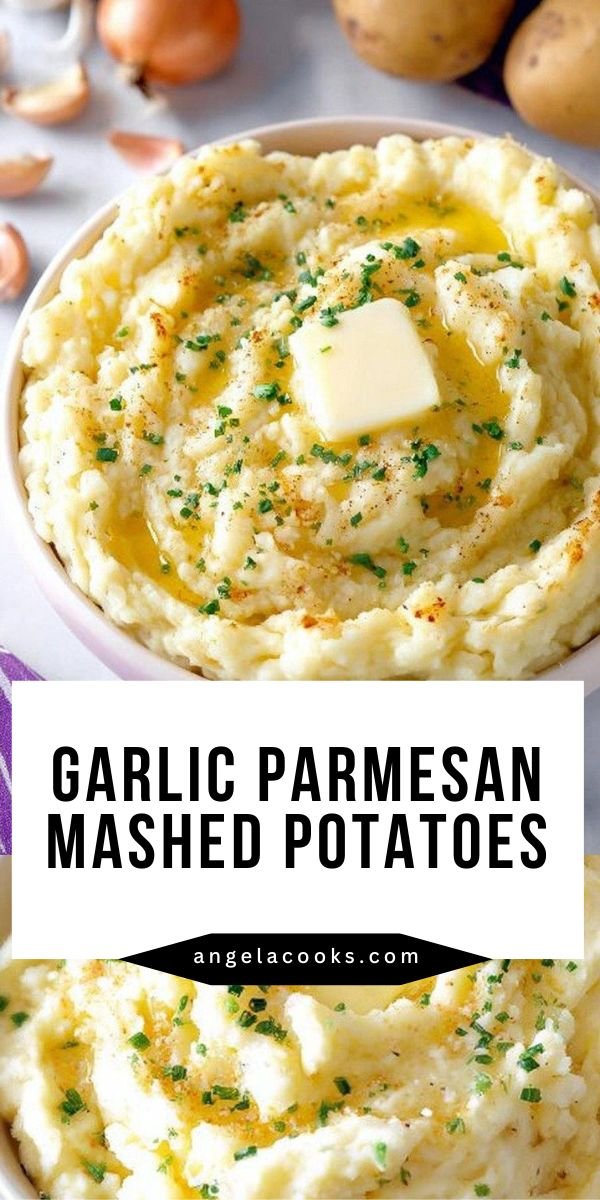
Garlic parmesan mashed potatoes have the right texture when they look creamy but not shiny, fluffy but not dry, and thick enough to hold soft ridges from a spoon. There should be no watery pooling around the edges of the pot and no stretchy pull when you lift the spoon. The aroma should be buttery and garlicky, with the parmesan adding a savory, nutty smell rather than a sharp or burnt note.
When you taste them, the salt should feel balanced from the first bite through the finish. If they taste dull, adjust salt and pepper gradually. If they taste heavy, a small splash of warm milk can loosen the texture. If they look glossy and elastic, they were likely overworked, so stop stirring immediately and serve them as gently as possible.
11) Professional Secrets Behind Better Garlic Parmesan Mashed Potatoes Recipe
The professional secret is not adding more dairy; it is controlling when and how the dairy is added. Good mashed potatoes are built in stages. First, the potatoes are seasoned from within by cooking in salted water. Next, excess water is removed through draining and steam-drying. Then, fat and warm liquid are folded in with minimal agitation. That sequence keeps the potatoes flavorful and soft.
Another secret is using garlic in two forms. Butter-cooked fresh garlic brings aroma and depth, while garlic powder spreads flavor evenly. Parmesan should be treated like seasoning, not just cheese. Because it contains salt and umami, it changes the final balance of the dish. Taste only after it has melted into the warm potatoes.
12) Best Dishes or Pairings to Serve With Garlic Parmesan Mashed Potatoes Recipe
Garlic parmesan mashed potatoes work especially well with dishes that have juices, gravy, pan sauce, or roasted edges. Serve them with roast chicken, turkey, pot roast, meatloaf, steak tips, braised short ribs, or baked salmon. The creamy potatoes soften salty, roasted, or deeply browned main dishes without competing with them.
For vegetable pairings, choose something with contrast. Green beans, roasted broccoli, glazed carrots, sautéed mushrooms, Brussels sprouts, or a crisp green salad all balance the richness. For a holiday meal, these holiday mashed potatoes fit naturally beside stuffing, roasted turkey, cranberry sauce, and gravy because the garlic and parmesan add flavor without overwhelming the plate.
13) Making Garlic Parmesan Mashed Potatoes Recipe Ahead of Time
Make ahead mashed potatoes need extra attention because potatoes firm up as they cool. Prepare the potatoes, cool them quickly, and refrigerate them in a covered container. When reheating, add a splash of warm milk or cream and warm them slowly over low heat or in a covered baking dish. Stir only as much as needed to bring the texture back.
If you are making them for a holiday meal, avoid finishing them too loose at the start. A slightly thicker mash reheats better because you can adjust with warm milk later. Keep them warm in a covered slow cooker on the warm setting if needed, stirring occasionally and adding a small amount of warm dairy if the edges begin to dry.
14) Storing Leftover Garlic Parmesan Mashed Potatoes Recipe
Store leftover garlic parmesan mashed potatoes in an airtight container in the refrigerator for up to 4 days. They will thicken as they chill because the potato starch firms up, so do not judge the texture straight from the fridge. Reheat gently with a splash of warm milk, cream, or a small pat of butter to restore the creamy consistency.
Freezing is possible, but the texture may become slightly grainy after thawing because dairy and potato starch do not always freeze perfectly together. If freezing, cool completely, pack tightly, and thaw overnight in the refrigerator before reheating slowly. Leftovers can also be used for potato pancakes, shepherd’s pie topping, or a creamy base for potato soup.
15) FAQ (Real Cooking Questions)
Can I use russet potatoes instead of Yukon Gold potatoes? Yes, but the texture will be different. Russets are starchier and can become fluffier, but they also need careful handling because overmixing can make them gluey. Yukon Golds give a naturally creamy result with less effort.
Why should the milk and cream be warm? Warm dairy blends into hot potatoes with less stirring. That matters because less stirring means less starch release, which helps creamy garlic mashed potatoes stay soft instead of sticky.
Can I make this garlic parmesan mashed potatoes recipe ahead? Yes. Make the potatoes, chill them in a covered container, and reheat gently with warm milk. Add the liquid slowly because chilled potatoes loosen gradually as they warm.
Can I use pre-grated parmesan? Finely grated parmesan melts best. Some pre-grated cheeses contain anti-caking ingredients that can make the texture slightly less smooth, so use the finest option available and fold it in while the potatoes are hot.
How do I keep mashed potatoes from tasting bland? Season the cooking water, use enough garlic, and taste after adding parmesan. Bland mashed potatoes usually need salt adjustment at the end, but add it gradually because parmesan already contributes saltiness.
16) Save This Garlic Parmesan Mashed Potatoes Recipe
If this garlic parmesan mashed potatoes recipe helped you solve gluey, watery, or bland mashed potatoes, save it for Sunday dinner, holiday meals, and comfort-food nights. The key reminder is: drain well, use warm garlic cream, and mash gently.
17) Conclusion
Great mashed potatoes are not about piling on more butter and hoping for the best. They come from understanding moisture, starch, heat, and timing. Once you drain the potatoes well, warm the dairy, control the garlic, and stop mashing before the texture turns gluey, the whole dish changes. These garlic parmesan mashed potatoes are creamy, savory, and confident because every step has a purpose. That is the difference between a side dish that simply fills the plate and one that earns its place at the center of the meal.
18) Nutrition
Serving Size 1 portion Calories 285 Sugar 3 g Sodium 640 mg Fat 15 g Saturated Fat 9 g Carbohydrates 31 g Fiber 3 g Protein 7 g Cholesterol 43 mg
Leave a Comment