
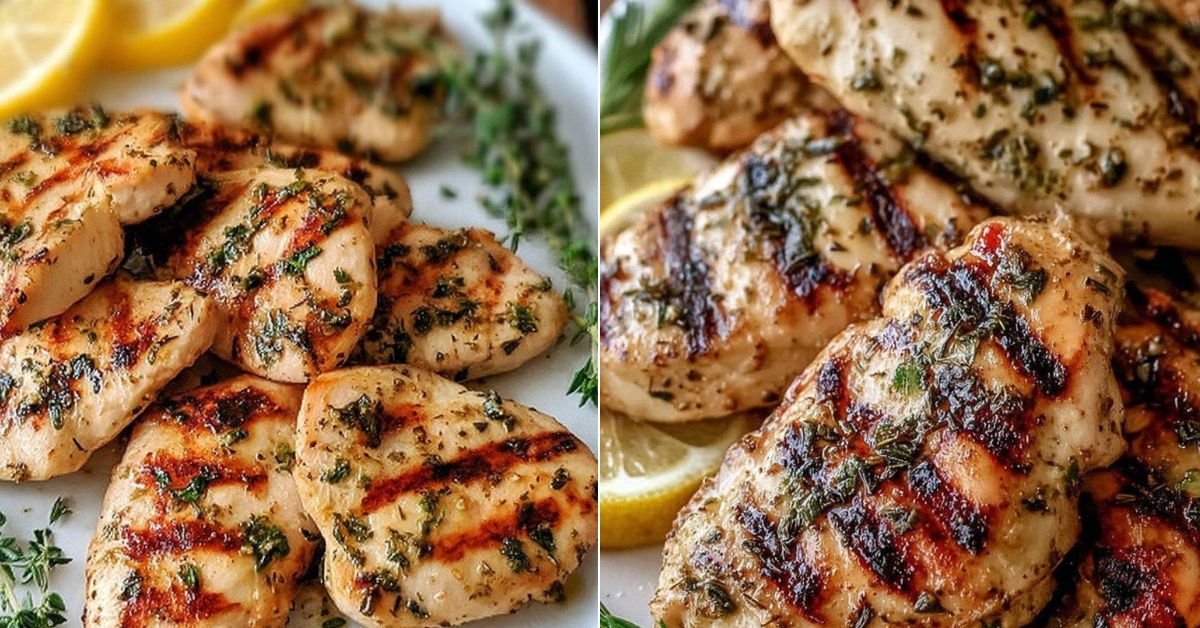
What I Learned Testing Lemon Herb Grilled Chicken
Dry grilled chicken can ruin a calm dinner fast, especially when the outside browns before the inside tastes seasoned. I’m Angela, and my early batches had that problem: bright lemon on the surface, but not enough flavor in the center. After testing the marinade time, herb balance, and grill heat, I discovered that lemon zest, olive oil, garlic, and a short rest made the biggest difference. This Lemon Herb Grilled Chicken gives me the relaxed feeling of a family chicken dinner, while still fitting readers who search for broccoli and cheese stuffed chicken or cheese stuffed chicken dinner ideas.
Table of Contents
- 1) What I Learned Testing Lemon Herb Grilled Chicken
- 2) Key Takeaways
- 3) Easy Lemon Herb Grilled Chicken Recipe
- 4) Why Most Lemon Herb Grilled Chicken Recipes Fail
- 5) Ingredients for Lemon Herb Grilled Chicken
- 6) How to Make Lemon Herb Grilled Chicken
- 7) Recipe Card: Lemon Herb Grilled Chicken
- 8) Tips for Making Lemon Herb Grilled Chicken
- 9) Common Mistakes & Fixes
- 10) How to Tell Lemon Herb Grilled Chicken Is Done
- 11) Professional Secrets Behind Better Lemon Herb Grilled Chicken
- 12) Best Dishes or Pairings to Serve With Lemon Herb Grilled Chicken
- 13) Making Lemon Herb Grilled Chicken Ahead of Time
- 14) Storing Leftover Lemon Herb Grilled Chicken
- 15) FAQ (Real Cooking Questions)
- 16) Save This Lemon Herb Grilled Chicken Recipe
- 17) Conclusion
- 18) Nutrition
2) Key Takeaways
- Lemon juice brings brightness, but lemon zest gives the chicken deeper citrus aroma without making the marinade too sharp.
- Chicken thighs are more forgiving than lean breast meat because their fat content helps them stay juicy over grill heat.
- Patting the marinated chicken lightly before grilling reduces flare-ups and helps the herbs brown instead of scorch.
- A 5-minute rest is not optional if you want the juices to stay inside the chicken instead of spilling onto the plate.
3) Easy Lemon Herb Grilled Chicken Recipe
Lemon Herb Grilled Chicken is a simple grilled chicken thigh recipe built around a balanced marinade: olive oil for moisture and browning, lemon juice for brightness, lemon zest for aroma, garlic for savory depth, and fresh herbs for a clean summer flavor. The goal is not just “lemon chicken.” The goal is juicy chicken with browned edges, fragrant herbs, and enough seasoning to taste good all the way through.
This method works because the marinade seasons the surface while the grill creates light char and smoky edges. Boneless skinless chicken thighs cook quickly, but they still need controlled heat. Medium-high heat gives color without drying the center, and the internal temperature should reach 165°F before resting.
Although this is not broccoli and cheese stuffed chicken, it solves a similar dinner problem: how to put a satisfying chicken main dish on the table without overcomplicating the meal. It also works well beside roasted vegetables, couscous, rice, or a crisp salad.
4) Why Most Lemon Herb Grilled Chicken Recipes Fail
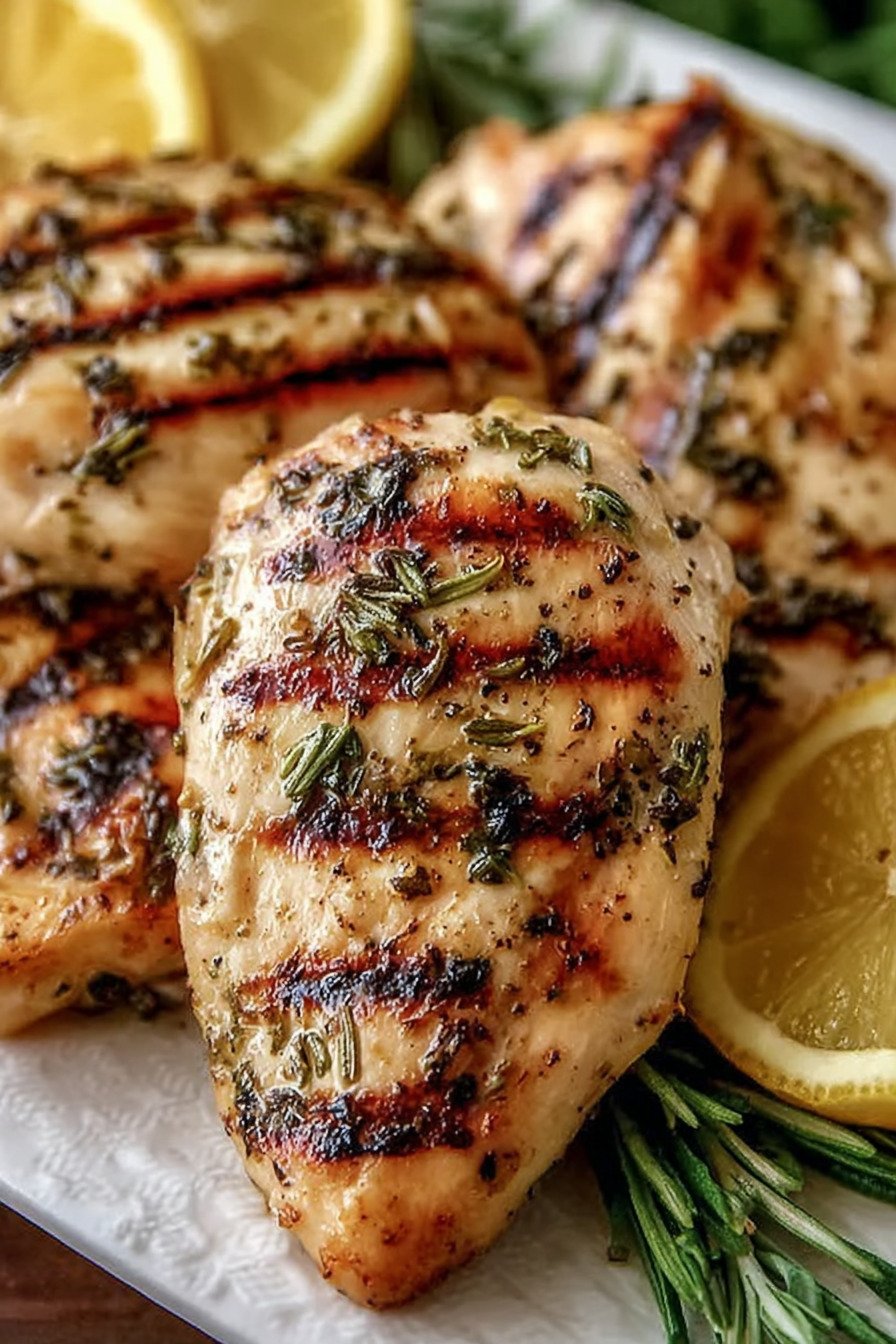
Most Lemon Herb Grilled Chicken recipes fail because the marinade is either too acidic, too oily, under-seasoned, or cooked over heat that is too aggressive. Lemon juice is useful, but too much time in a strong acidic marinade can make the surface texture feel slightly tough or uneven. That is why a 30-minute to 8-hour window is practical for chicken thighs.
Another common problem is flare-ups. When chicken goes from a wet, oily marinade directly onto hot grates, dripping oil can ignite and leave the herbs tasting bitter. Patting the chicken lightly before grilling helps prevent that while still leaving enough marinade flavor on the meat.
Flat flavor usually comes from relying only on lemon juice. Juice gives acidity, but zest carries citrus oils that smell brighter and taste more rounded. Garlic, rosemary, thyme, parsley, salt, and pepper create the savory backbone. Without salt, even a good marinade tastes thin.
Dry chicken usually comes from guessing instead of checking. The outside may look done before the thickest part reaches a safe temperature. Use 165°F as the doneness checkpoint, then rest the chicken for 5 minutes so the juices redistribute.
5) Ingredients for Lemon Herb Grilled Chicken
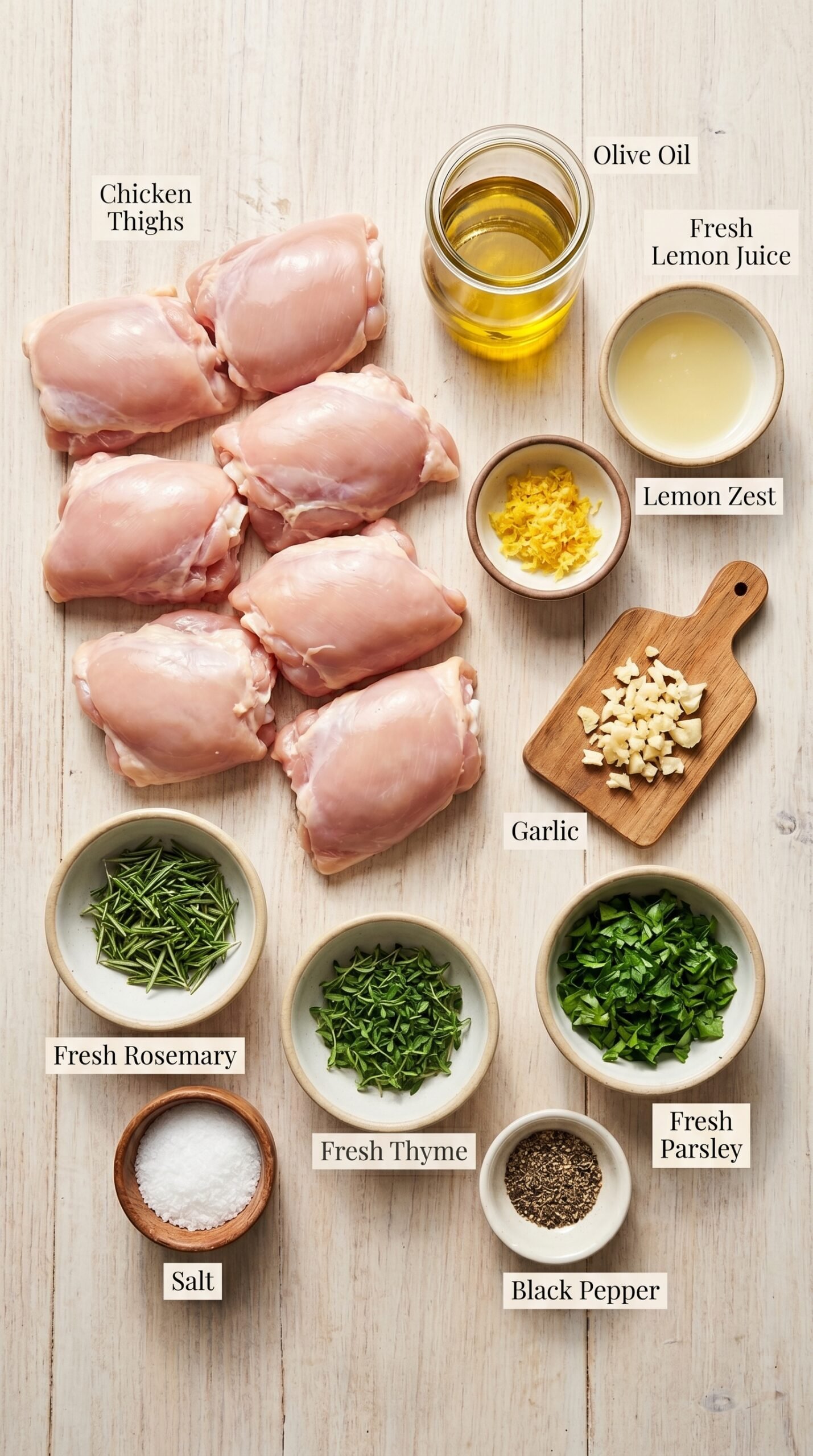
Boneless skinless chicken thighs: Thighs stay juicy on the grill because they have more natural fat than chicken breasts. Use them when you want a forgiving grilled chicken dinner with less risk of dryness. If you replace them with breast meat, the cooking time will change and the meat can dry out faster.
Olive oil: Olive oil carries the garlic, lemon zest, and herbs across the chicken. It also helps with browning and reduces sticking. Too little oil can make the marinade sharp; too much can cause flare-ups on the grill.
Fresh lemon juice: Lemon juice adds acidity and brightness. Use it in the marinade, but do not treat it like a long brine. If chicken sits too long in too much acid, the outside can lose its pleasant texture.
Lemon zest: Zest is the flavor booster in this recipe. It adds fragrant citrus oil without adding more acid. Skipping it makes the chicken taste flatter, even if you use enough lemon juice.
Garlic: Minced garlic gives savory depth and helps the chicken taste more complete. Mince it finely so it spreads through the marinade instead of sitting in harsh pieces on one spot.
Rosemary: Rosemary adds a woodsy grilled flavor that holds up well to heat. Fresh rosemary tastes brighter, while dried rosemary is stronger and should be used in a smaller amount.
Thyme: Thyme gives the marinade a savory, slightly earthy note. It works especially well with lemon and garlic. If using dried thyme, crush it lightly before mixing so it releases more aroma.
Parsley: Parsley keeps the herb flavor fresh and green. Add it to the marinade for balance, especially because rosemary and thyme can taste heavy if they stand alone.
Salt: Salt is what makes the marinade taste seasoned instead of simply sour. It helps the chicken taste good beyond the surface.
Black pepper: Black pepper adds gentle heat and finishes the savory profile. Freshly cracked pepper gives a cleaner aroma than pre-ground pepper.
- Chicken thighs vs chicken breasts: Thighs tolerate grill heat better and stay juicy longer; breasts need more careful timing.
- Lemon zest vs lemon juice: Zest gives aroma and rounded citrus flavor; juice gives acidity and brightness.
- Fresh herbs vs dried herbs: Fresh herbs taste greener and lighter; dried herbs are more concentrated and should be measured carefully.
- Patting dry vs grilling wet: Lightly drying the chicken reduces flare-ups while still keeping the marinade flavor on the meat.
6) How to Make Lemon Herb Grilled Chicken
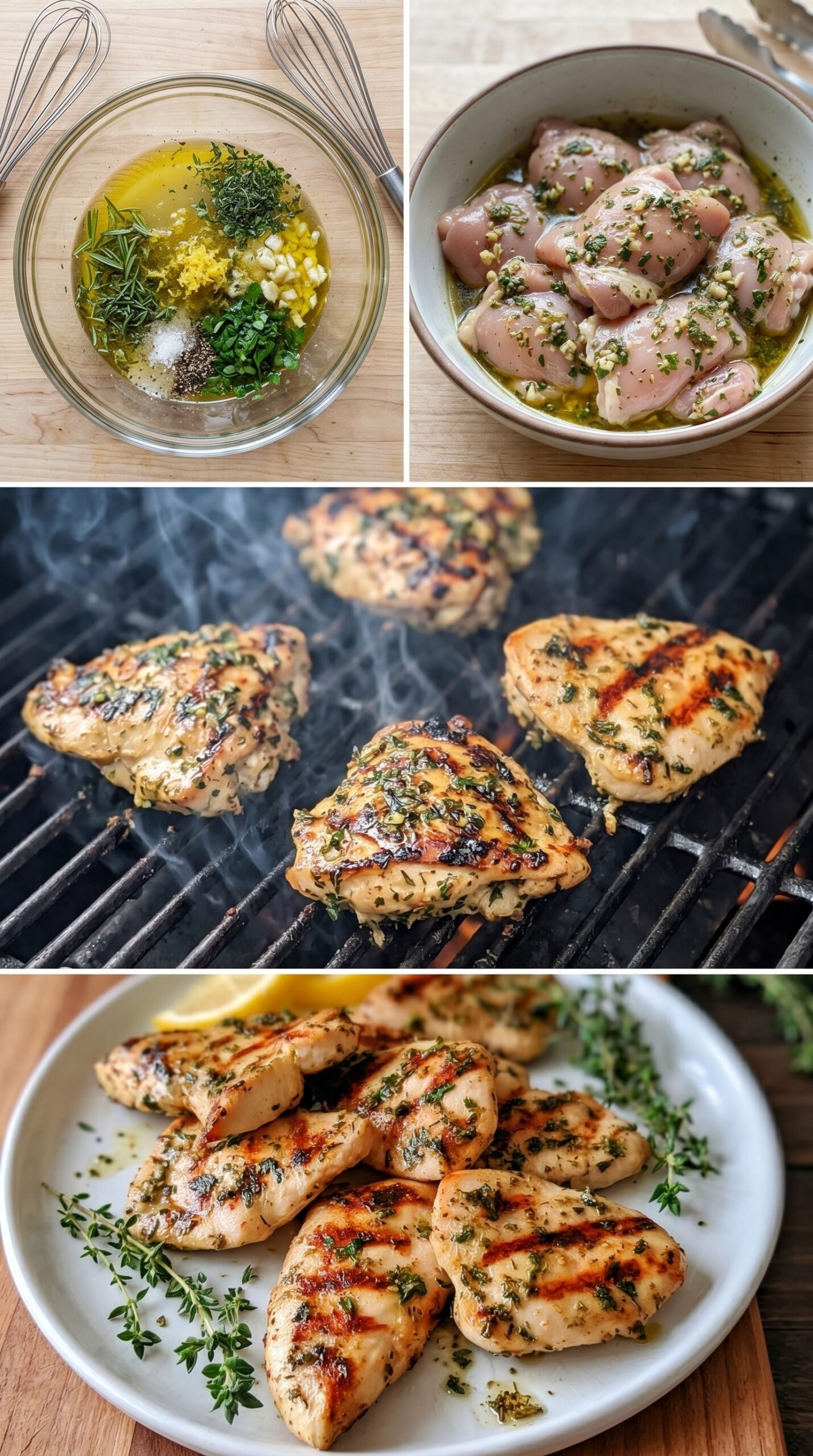
Step 1: Whisk the marinade until the olive oil, lemon juice, lemon zest, garlic, rosemary, thyme, parsley, salt, and pepper look evenly combined. The mixture should smell bright, garlicky, and herbal, not harsh or oily.
Step 2: Add the chicken thighs and turn them until every piece is coated. Refrigerate for at least 30 minutes or up to 8 hours. The chicken should look glossy and evenly seasoned, but it should not sit so long that the lemon starts changing the texture too much.
Step 3: Heat the grill to medium-high, then clean and oil the grates. This step prevents sticking and gives the chicken a better surface for browning.
Step 4: Remove the chicken from the marinade and pat it slightly dry. Grill for 6–7 minutes per side, watching for browned edges and light grill marks. If flames jump up, move the chicken briefly to a cooler area of the grill.
Step 5: Check the thickest part for 165°F. Rest the chicken for 5 minutes before serving so the juices settle and the texture stays moist.
7) Recipe Card: Lemon Herb Grilled Chicken
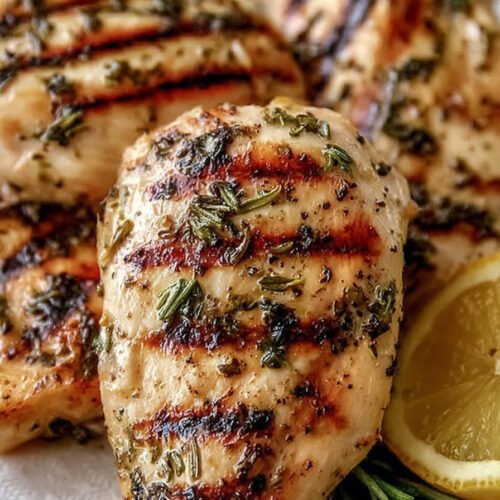
Lemon Herb Grilled Chicken
Ingredients
- 1.5 lbs boneless skinless chicken thighs, about 6–8 thighs, trimmed of excess fat so they grill evenly
- ¼ cup olive oil, to carry the herbs and help the chicken brown without sticking
- 3 tbsp fresh lemon juice, about 1 large lemon, for bright acidity without overpowering the marinade
- 1 tbsp lemon zest, added for deeper citrus aroma than juice alone can provide
- 3 cloves garlic, minced finely so the flavor spreads evenly over the chicken
- 1 tbsp fresh rosemary chopped, or 1 tsp dried, for a woodsy herb note that suits grilled chicken
- 1 tbsp fresh thyme leaves, or 1 tsp dried, for savory depth in the marinade
- 2 tbsp fresh parsley chopped, for a fresh finish and balanced herb flavor
- 1 tsp salt, to season the chicken through the marinade
- ½ tsp black pepper, for gentle heat and a savory finish
Instructions
- In a large bowl or zip-top bag, whisk together the olive oil, lemon juice, lemon zest, minced garlic, rosemary, thyme, parsley, salt, and black pepper until the salt begins to dissolve and the herbs are evenly suspended in the oil.
- Add the chicken thighs to the marinade and turn them until every piece is coated. Cover or seal, then refrigerate for at least 30 minutes and up to 8 hours; avoid going much longer because the lemon juice can start to affect the texture.
- Preheat a gas or charcoal grill to medium-high heat. Scrub the grates clean, then oil them well so the marinated chicken releases cleanly and develops grill marks instead of tearing.
- Remove the chicken from the marinade and pat it lightly with paper towels to reduce dripping oil and flare-ups. Grill for 6–7 minutes per side, turning once, until the outside is browned and the thickest part reaches 165°F or 74°C.
- Transfer the grilled chicken thighs to a clean plate and let them rest for 5 minutes so the juices settle back into the meat instead of running out when sliced.
- Serve hot with roasted vegetables, couscous, rice, salad, or grilled bread, spooning any resting juices over the chicken for extra lemon-herb flavor.
8) Tips for Making Lemon Herb Grilled Chicken
Use medium-high heat, not maximum heat. Chicken thighs can handle the grill well, but garlic and herbs can scorch if the grates are too hot. You want steady sizzling, light smoke, and browning, not aggressive flames.
Do not skip the lemon zest. In testing, zest made the chicken taste more lemony without requiring extra lemon juice. That matters because more juice can push the marinade toward sharpness while zest adds aroma.
If your chicken thighs vary in thickness, place the thicker pieces on the hotter part of the grill first and move smaller pieces slightly away from the strongest heat. This helps everything finish closer to the same time.
For readers who usually make broccoli cheese stuffed chicken, stuffed chicken breast with broccoli, or chicken breast stuffed with broccoli and cheese, this grilled version is a lighter, faster way to get a flavorful chicken dinner without stuffing or baking.
9) Common Mistakes & Fixes
Problem: The chicken tastes sour. Cause: Too much acid or too long in the lemon marinade can make the flavor sharp. Fix: Stay within the marinating window and rely on lemon zest for aroma instead of adding extra juice.
Problem: The herbs taste burned. Cause: Wet, oily chicken can drip onto the flames and scorch the herbs. Fix: Pat the chicken lightly before grilling and keep the heat at medium-high.
Problem: The chicken is dry. Cause: It was cooked too long or sliced immediately after grilling. Fix: Check for 165°F in the thickest part and rest for 5 minutes before serving.
Problem: The chicken sticks to the grill. Cause: Dirty or dry grates grab the surface before it browns. Fix: Clean and oil the grates before adding the chicken.
Problem: The flavor tastes flat. Cause: The marinade was not salted enough or the herbs were not evenly mixed. Fix: Whisk the marinade well and make sure every piece of chicken is coated.
10) How to Tell Lemon Herb Grilled Chicken Is Done
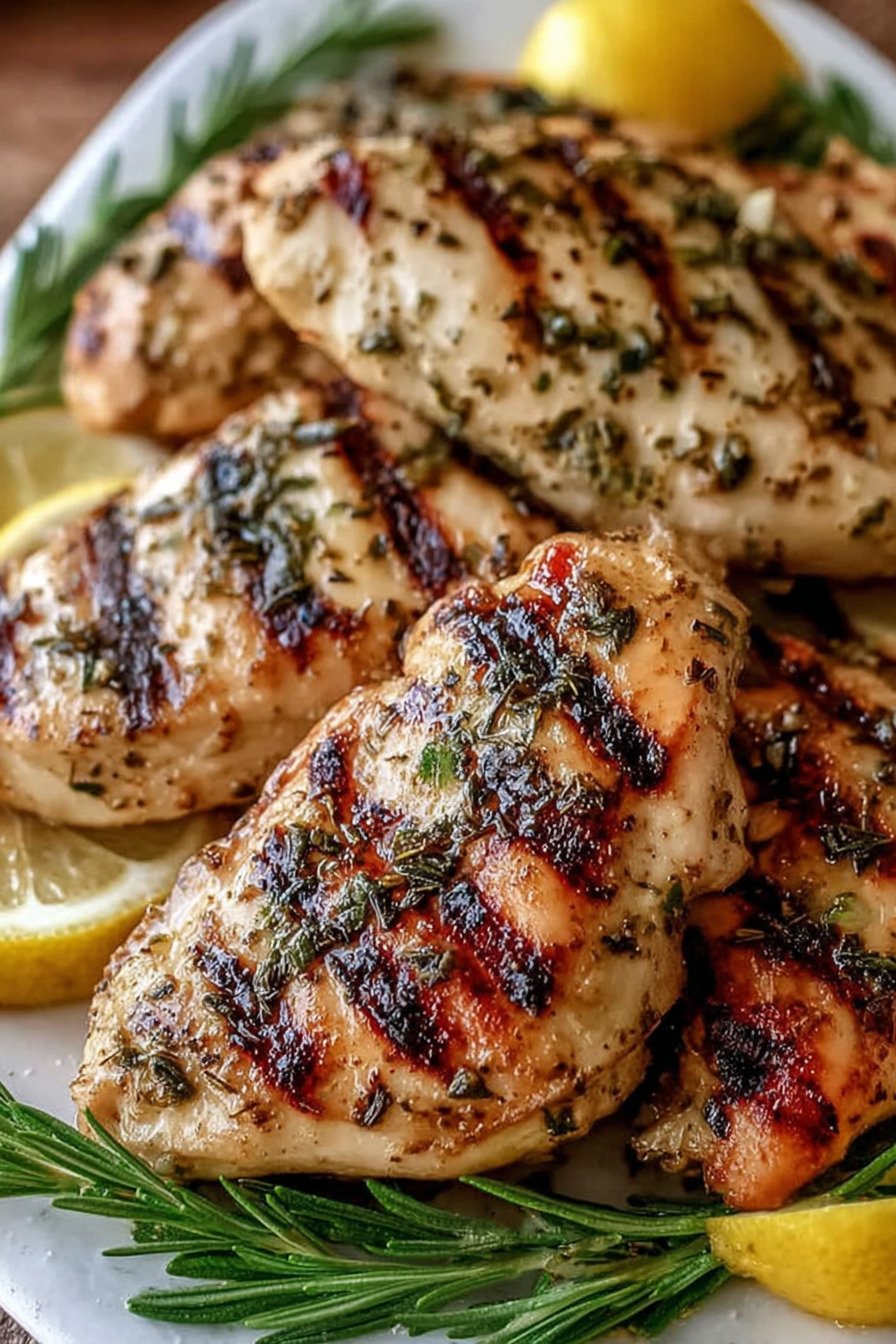
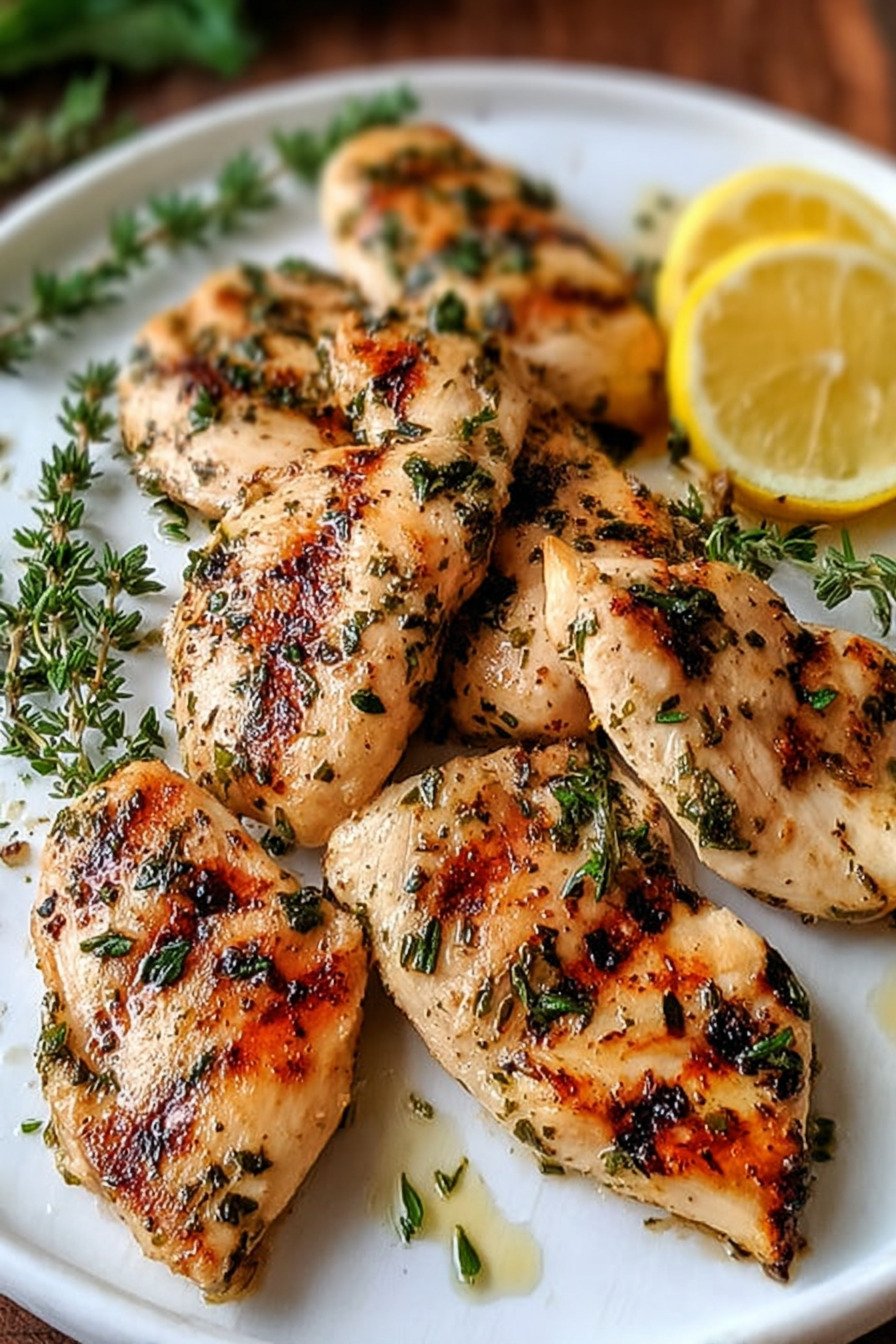
Lemon Herb Grilled Chicken is done when the thickest part reaches 165°F, the surface has browned grill marks, and the juices look clear when the chicken rests. The outside should look lightly charred in spots, not blackened all over. The texture should feel firm but not stiff when pressed with tongs.
The aroma should be savory, lemony, and herbal. If the smell turns bitter or smoky in an unpleasant way, the heat may be too high or the oil may be dripping into the flames. Properly grilled chicken thighs should slice cleanly and stay moist, with no rubbery center and no dry, stringy edges.
11) Professional Secrets Behind Better Lemon Herb Grilled Chicken
The first professional habit is controlling surface moisture. Marinade adds flavor, but excess oil on the surface causes flare-ups. A quick pat with paper towels gives you better browning and cleaner herb flavor.
The second habit is building flavor in layers. Lemon juice alone is not enough. Lemon zest adds aroma, garlic adds savory depth, rosemary and thyme add structure, and parsley keeps the flavor fresh. Salt ties those layers to the chicken.
The third habit is resting the meat. Many cooks remove grilled chicken and cut it right away because it smells ready. Waiting 5 minutes gives the juices time to settle, which makes the final bite noticeably better.
12) Best Dishes or Pairings to Serve With Lemon Herb Grilled Chicken
Lemon Herb Grilled Chicken pairs well with roasted vegetables because the citrus and herbs brighten sweet, browned vegetables. Zucchini, bell peppers, asparagus, carrots, and potatoes all work well beside the grilled flavor.
For a lighter plate, serve it with a crisp green salad, cucumber tomato salad, or herb couscous. For a fuller family chicken dinner, add rice, warm pita, grilled bread, or creamy potatoes. The chicken also slices well for wraps, grain bowls, and lunch salads.
If you are planning a meal around richer recipes such as cheese stuffed chicken or easy stuffed chicken breast, this grilled version can give you a fresher option with less heaviness while still feeling complete.
13) Making Lemon Herb Grilled Chicken Ahead of Time
You can make the marinade ahead and refrigerate it separately for several hours before adding the chicken. Once the chicken is in the marinade, plan for at least 30 minutes and no more than 8 hours for the best balance of flavor and texture.
For meal prep, grill the chicken, cool it completely, and store it in a sealed container. Reheat gently or serve cold over salad. Avoid aggressive reheating because already-cooked chicken can dry out quickly when exposed to high heat twice.
14) Storing Leftover Lemon Herb Grilled Chicken
Store leftover Lemon Herb Grilled Chicken in an airtight container in the refrigerator for up to 3 days. Keep the resting juices if possible because they help the chicken stay moist when reheated.
To reheat, use low heat in a covered skillet with a small splash of water or broth, or warm it gently in the microwave at reduced power. Freezing is possible, but the herbs and lemon flavor will taste fresher when the chicken is eaten within a few days.
Leftovers work well sliced into wraps, chopped into salads, tucked into grain bowls, or served with roasted vegetables for another quick dinner.
15) FAQ (Real Cooking Questions)
Can I use chicken breasts instead of thighs? Yes, but chicken breasts cook differently and dry out faster. Pound them to an even thickness and check the internal temperature carefully so they reach 165°F without overcooking.
How long should I marinate Lemon Herb Grilled Chicken? Marinate for at least 30 minutes and up to 8 hours. That range gives the garlic, lemon, herbs, and salt time to season the chicken without letting the acid affect the texture too much.
Can I cook this without an outdoor grill? Yes. Use a grill pan or heavy skillet over medium-high heat, working in batches so the chicken browns instead of steaming. The same 165°F internal temperature still applies.
Why does my grilled chicken burn before it cooks through? The grill may be too hot, or excess marinade may be dripping into the flames. Pat the chicken lightly and use medium-high heat rather than extreme direct heat.
Is this the same as broccoli and cheese stuffed chicken? No. This is a lemon herb grilled chicken thigh recipe, but it fits the same dinner category for readers looking for flavorful chicken mains, including broccoli and cheese stuffed chicken or stuffed chicken breast with broccoli ideas.
16) Save This Lemon Herb Grilled Chicken Recipe
If this Lemon Herb Grilled Chicken helped you solve dry, bland grilled chicken, save it for summer dinners, Sunday meals, or quick meal prep. The key reminder is: use lemon zest for flavor, pat the chicken lightly before grilling, and rest it before slicing.
17) Conclusion
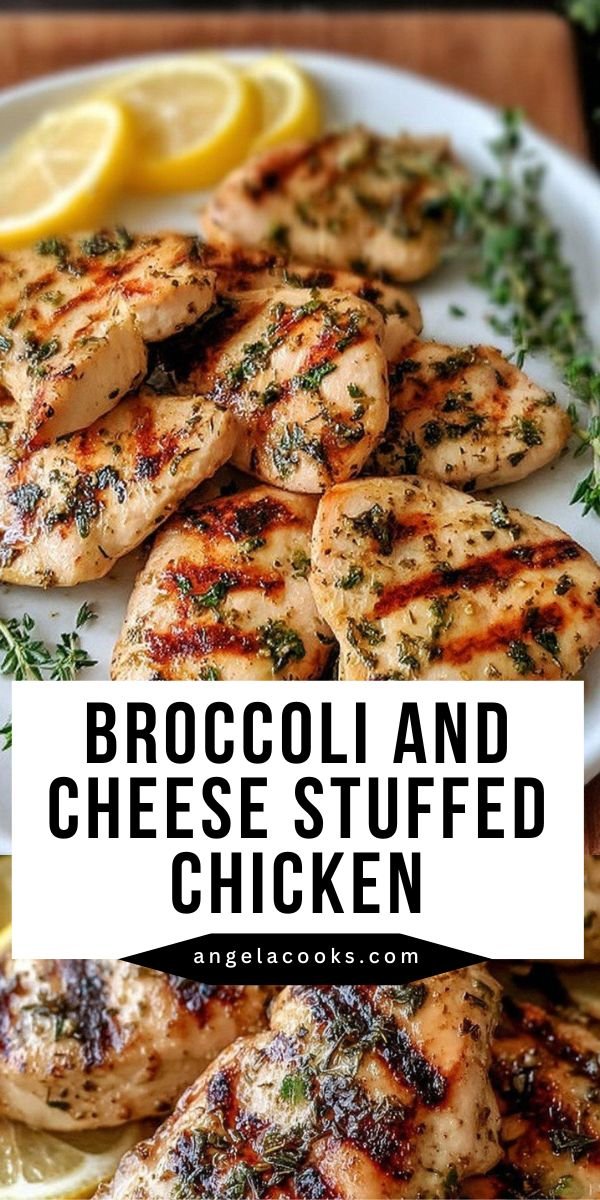
Lemon Herb Grilled Chicken becomes much more reliable when you understand the small details behind it. The marinade needs balance, the grill needs steady heat, and the chicken needs a short rest before serving. Once those pieces are in place, the result is juicy grilled chicken with bright citrus, savory garlic, fresh herbs, and enough structure to serve with almost any dinner side. Instead of guessing, you now have clear cues: fragrant marinade, clean grates, light browning, 165°F internal temperature, and a moist rested finish.
18) Nutrition
Serving Size 1 portion Calories 310 Sugar 0 g Sodium 465 mg Fat 22 g Saturated Fat 4 g Carbohydrates 2 g Fiber 0 g Protein 27 g Cholesterol 125 mg






Leave a Comment